Culture, History, and Society: Historic Indianapolis—Indianapolis has a vast and expanding network of over 100 miles of paved, multi-use greenways and trails designed for walking, biking, and running. Learn about the history of Indianapolis's key interconnected trails, the Monon Trail, the Cultural Trail, and the Baltimore and Ohio Railroad (B&O) Trail; how they connect residents to our city's cultural districts, parks, and downtown; and their importance in fostering recreation, active transport, and healthy living. Registration is required.
Presented by: Jyoti A. Verderame, MA, U.S. History
Editor, Encyclopedia of Indianapolis
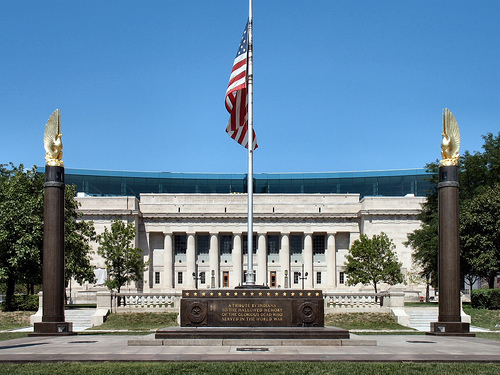
Location: This program will be held in person in the Indianapolis Special Collections Room (ISCR) on the 6th floor of Central Library.
Parking: The Central Library has a parking garage available to patrons during their time there. Garage pricing information. The garage can be accessed on Pennsylvania Street.
This in-person program is part of the Culture, History, and Society: Historic Indianapolis programs hosted by the Indianapolis Special Collections Room (ISCR).
Age Group: Adults
Contact: Special Collections Librarian Montoya Barker